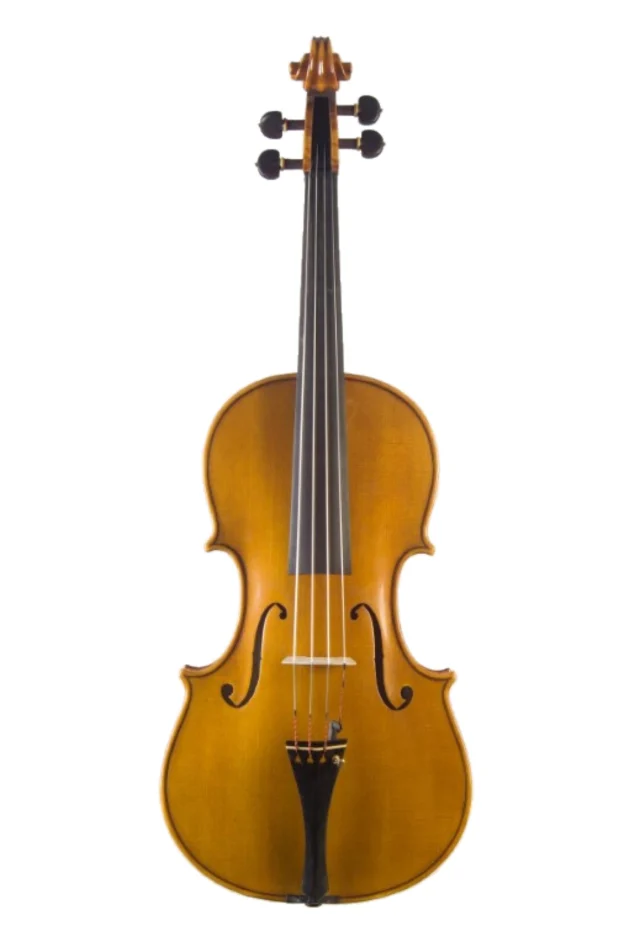
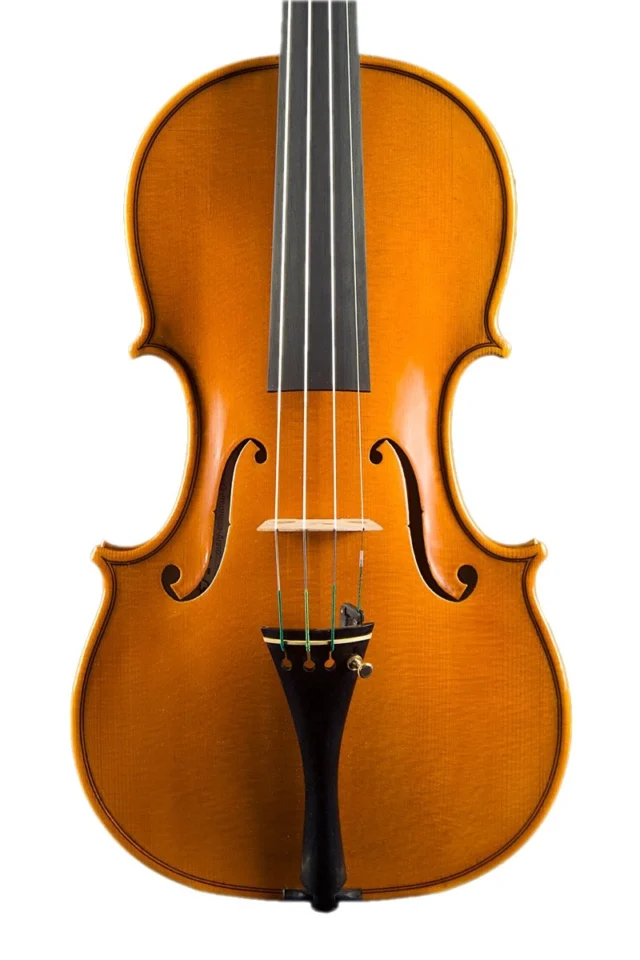
Violino
Violin Opus 01
Price on request

Gregorio Martini · Master Luthier
Every instrument is carved, varnished and voiced by hand — one at a time, in the classical Cremonese tradition.
IPreludioThe atelier
For Gregorio Martini, making a violin is not production — it is dialogue. The spruce is tapped and flexed, the maple turned to the light, each plate carved until it rings with the right note. Nothing is hurried, and nothing is left to a machine.
The result is an instrument with a voice of its own: responsive under the bow, generous in colour and built to grow with its player for generations.
IIAndanteThe family
From the brilliance of the violin to the deep foundation of the double bass — every member of the violin family, made by the same hands.
IIIAllegroSelected instruments
Violino
Price on request
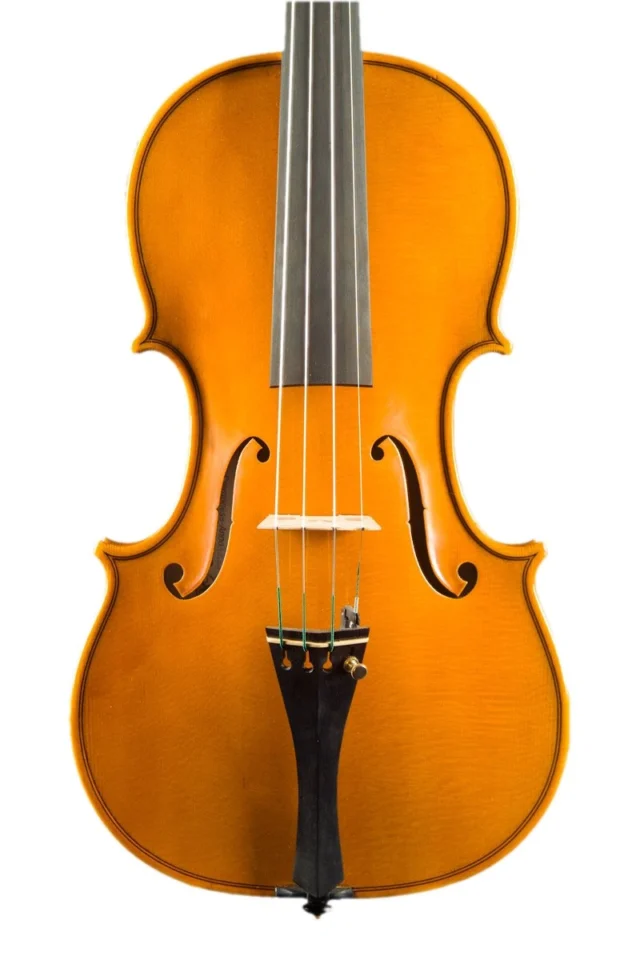
Violino
Price on request
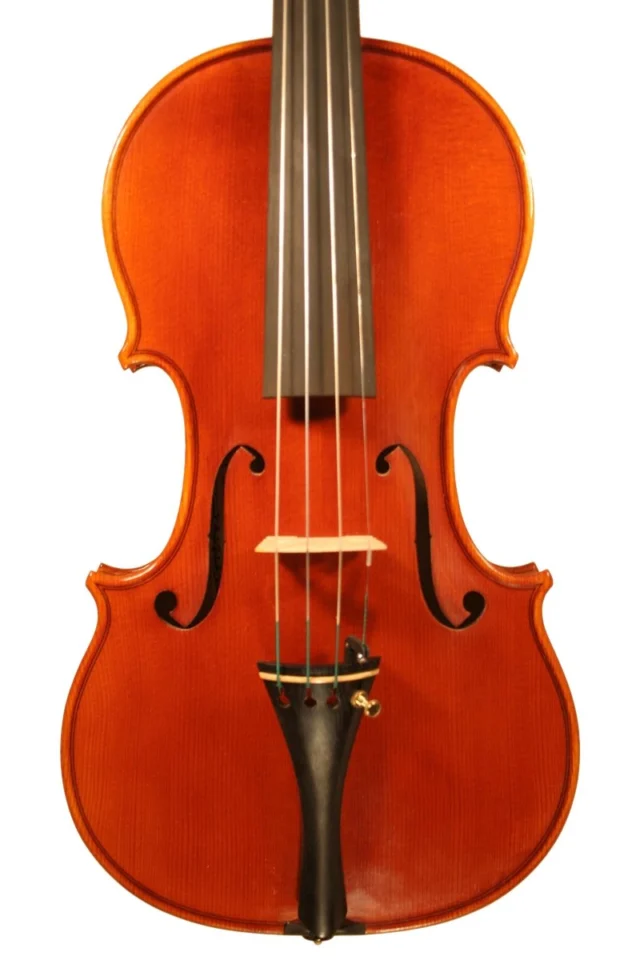
Violino
Price on request
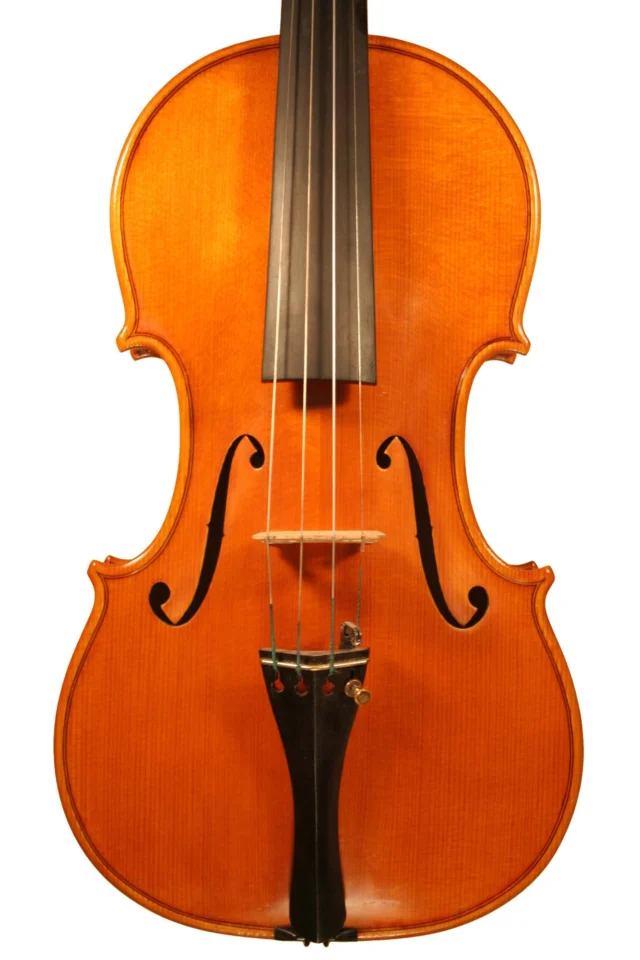
Violino
Price on request
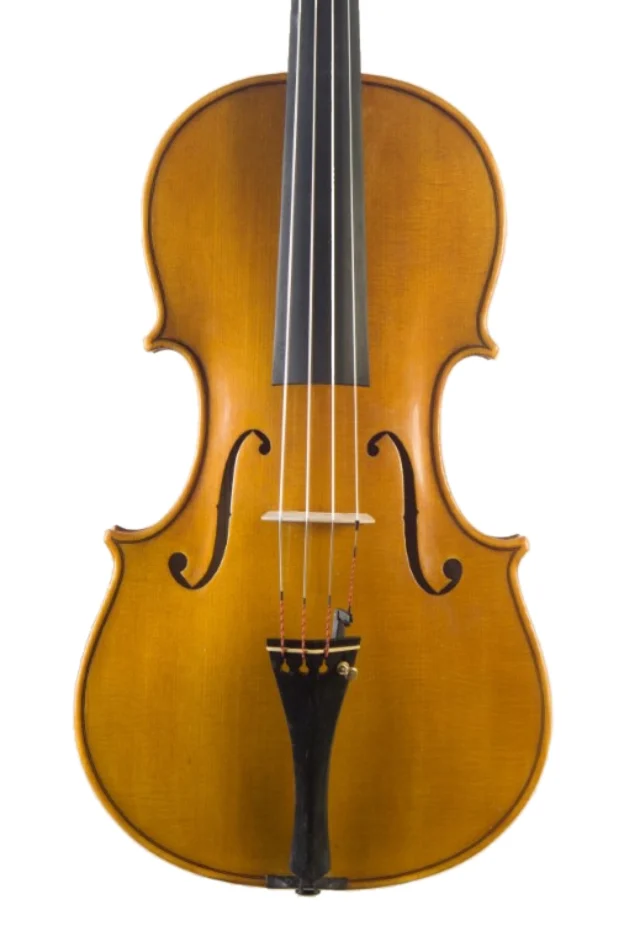
Viola
Price on request
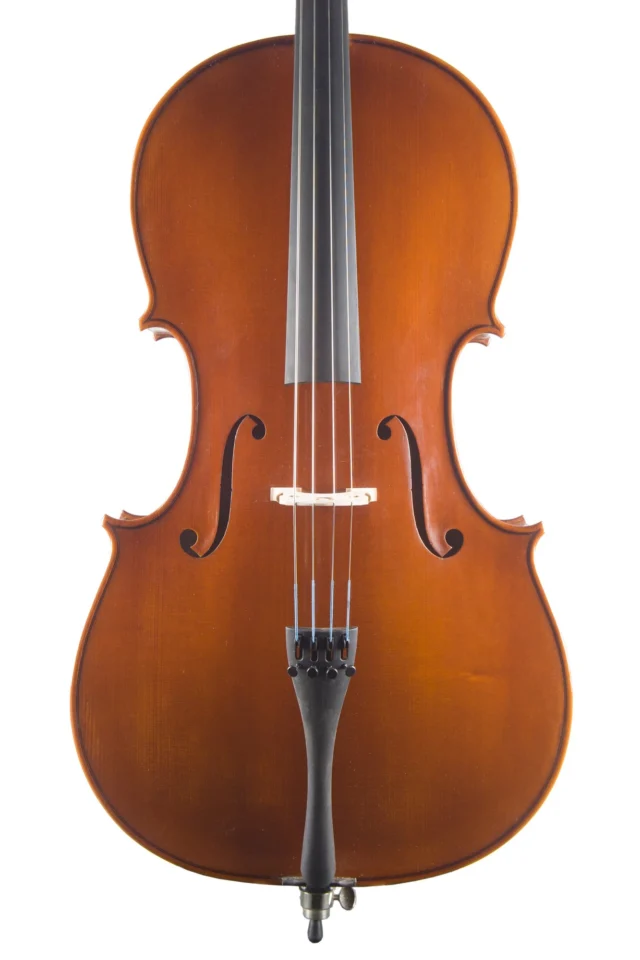
Violoncello
Price on request
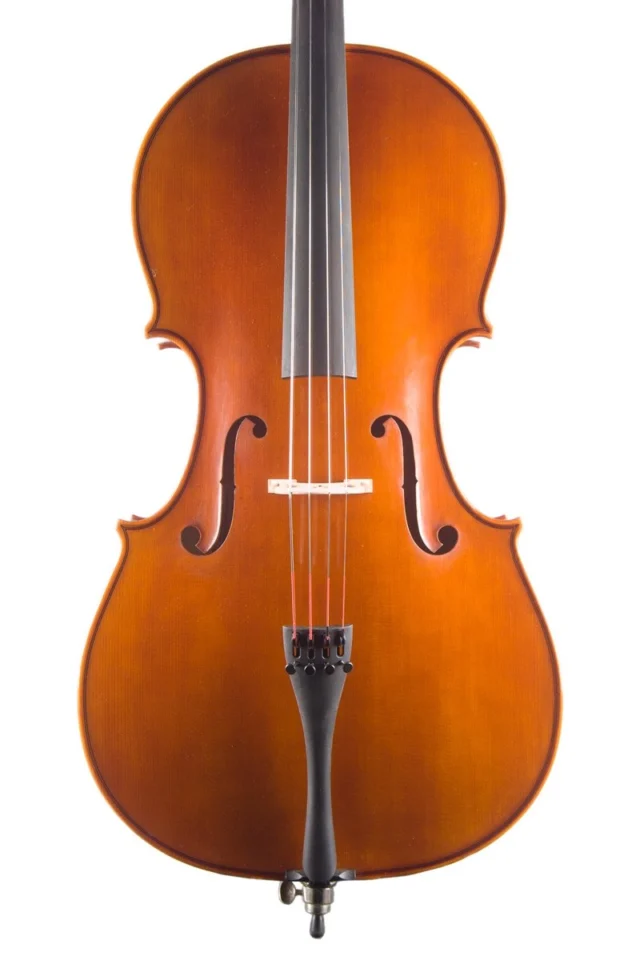
Violoncello
Price on request
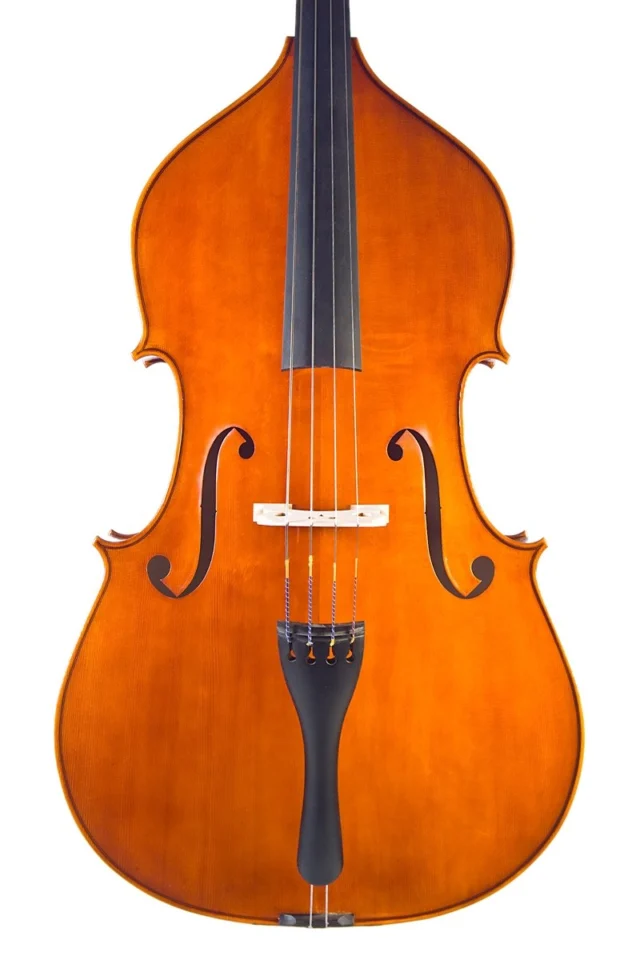
Contrabbasso
Price on request
IVAdagioThe craft


Spruce for the voice, maple for the reflection. Tonewood is chosen by eye, by hand and by ear — tapped, flexed and seasoned for years before the first cut.
Top and back are carved and graduated with gouges and finger planes, tenth of a millimetre by tenth of a millimetre, until each plate rings with the right tone.
Carved freehand from a single block of maple, the scroll is the maker’s signature — its spiral reveals the hand behind the instrument.
Applied in thin layers and cured slowly, the varnish protects the wood, sets the flame alight and gives the instrument its final colour.
Bridge, soundpost and strings: the set-up is where the instrument learns to speak. It is played, adjusted and played again until it answers.

VCantabileThe maker
Gregorio Martini spent six years in the advanced violin-making course of the International School of Violin Making in Cremona, under master Aromatico, and a further year in the atelier of the renowned maker Riccardo Bergonzi.
His encounter with Alessandro Ciciliati, a representative of the Ferrara school, left a lasting mark on his style — a balance of classical proportion and a voice that is warm, direct and full of character.
An instrument is finished only when it begins to answer the player.
Read the storyExhibited at
Cremona Mondomusica
20122013
VIDomandeQuestions
The questions musicians ask most often about our instruments and commissions.
All questionsGregorio Martini makes the four voices of the violin family entirely by hand: violins, violas, cellos and double basses. Each instrument is built individually, from the choice of tonewood to the final set-up.
He spent six years in the advanced violin-making course of the International School of Violin Making "Antonio Stradivari" in Cremona, Italy, under master Aromatico, followed by a one-year internship in the atelier of Riccardo Bergonzi. His contact with Alessandro Ciciliati of the Ferrara school had a lasting influence on his style.
Yes. A commission begins with a conversation about your playing, your repertoire and the sound you are looking for. Together you choose the model, the wood and the colour of the varnish, and the instrument is then made for you alone.
Following the classical tradition, the top is carved from spruce, while the back, ribs and scroll are carved from maple — often flamed maple, whose figure shimmers under the varnish. The fingerboard and fittings are usually ebony.
Finale
Tell Gregorio about your playing, your repertoire and the voice you are searching for. Every commission begins with a conversation.